
Discover
Questions library
Collections library
Find online teacher
login
Discover
questions library
Find online teacher
login
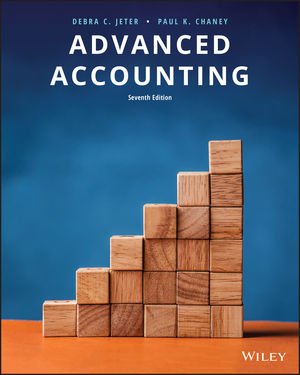
ADVANCED ACCOUNTING
by
Debra C.jeter, Paul K.Chaney
Edition:
7th edition
ISBN13:
978-1-119-37325-4
ISBN10:
263
Accounting
Home
Books
ADVANCED ACCOUNTING
Similar Books
No books found
Title
Chapter: 11 /
Q: 11.7
List some of the major differences in accounting between FRS and U.S. GAAP
Chapter: 12 /
Q: 12.1
Define currency exchange rates and distinguish between “direct” and “indirect” quotations
Chapter: 12 /
Q: 12.2
Explain why a firm is exposed to an added risk when it enters into a transaction that is to be settled in a foreign currency
Chapter: 12 /
Q: 12.3
Name the three stages of concern to the accountant in accounting for import–export transactions. Briefly explain the accounting for each stage
Chapter: 12 /
Q: 12.4
How should a transaction gain or loss be reported that is related to an unsettled receivable recorded when the firm’s inventory was exported?
Chapter: 12 /
Q: 12.5
A U.S. firm carried a receivable for 100,000 yen. Assum- ing that the direct exchange rate declined from $.009 at the date of the transaction to $.006 at the balance sheet date, compute the transaction gain or loss. What balance would be reported for the receivable in the firm’s balance sheet?
Chapter: 12 /
Q: 12.6
Explain what is meant by the “two-transaction method” in recording exporting or importing transactions. What support is given for this method?
Chapter: 12 /
Q: 12.7
Describe a forward exchange contract
Chapter: 12 /
Q: 12.8
Explain the effects on income from hedging a foreign currency exposed net asset position or net liability position
Chapter: 12 /
Q: 12.9
What criteria must be satisfied for a foreign currency transaction to be considered a hedge of an identifiable foreign currency commitment?
total questions:
263
Previous
17
18
19
20
21
Next
Questions
263
Views
Best Answers
299
Points
5
×
Close
add reason
reason